
At a glance
Main symptoms
- Pain on the lateral-superior shoulder, worsening with arm use
- Night pain is prominent, inability to lie on the affected shoulder
- Difficulty raising arm above shoulder level
- Hospital stay
- 1-2 overnight hospital stay is typical.
- Recovery time
- 4–6 months
- Return to work
- Desk work in 2-3 weeks, light physical work in 2-3 months, heavy manual labor and sports in 6-9 months.
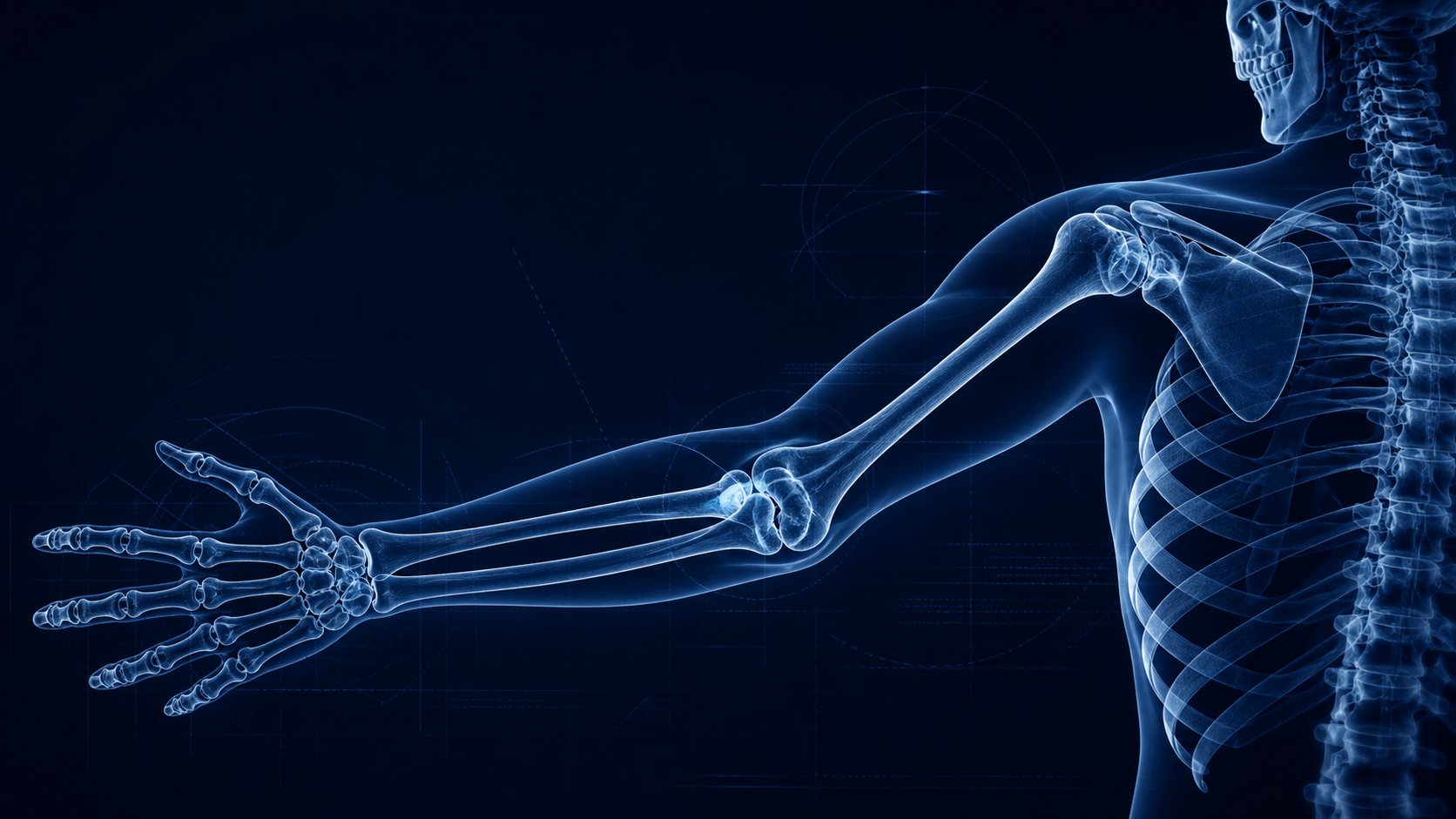
The rotator cuff is a structure made of tendons from 4 muscles (supraspinatus, infraspinatus, teres minor, subscapularis) surrounding the shoulder joint. It provides shoulder rotation and plays a critical role in joint stability. Age-related degeneration, sudden trauma, or repetitive microtrauma can cause tears. Common in the over-40 population; over 30% of people over 70 have some degree of tear.
Symptoms
Typical findings:
- Pain on the lateral-superior shoulder, worsening with arm use
- Night pain is prominent, inability to lie on the affected shoulder
- Difficulty raising arm above shoulder level
- Trouble combing hair, scratching back, reaching back pocket
- In acute traumatic tears, sharp pain and immediate weakness
- In some cases, crepitus ("creaking") from shoulder
Diagnostic Methods
On detailed examination, special tests are used: Jobe test, Drop arm test, External rotation lag. X-rays evaluate accompanying pathologies (osteophytes, arthritis). For definitive diagnosis and tear size, MRI is performed; tear size, retraction extent, muscle fat infiltration (Goutallier classification) are visualized.
Treatment Approach
Non-Surgical Treatments
Conservative treatment is tried for partial tears, small tears, and older, sedentary patients: physical therapy (posture correction, deltoid strengthening), NSAIDs, subacromial cortisone injection, activity modification. Surgery is considered for active patients not benefiting over 3-6 months or moderate-large full-thickness tears.
Surgical Treatment
Treatment standard is arthroscopic rotator cuff repair. 4-5 portals are made; depending on tear size, single-row or double-row fixation is performed. Special implants called suture anchors are placed in bone and tendon is secured. For massive or retracted tears, tendon transfer or in selected cases superior capsular reconstruction may be needed. For irreparable massive tears, reverse shoulder arthroplasty is an option.
Surgical Process
Performed under general anesthesia and interscalene block, patient in lateral position. Duration is 1.5-3 hours. After repair, arm is supported with sling or abduction brace.
Hospital Stay
1-2 overnight hospital stay is typical.
Recovery Process
- Weeks 0-6: Sling/brace, only passive exercises, no active motion
- Weeks 6-12: Active-assisted exercises begin, sling discontinued
- Months 3-6: Active exercises, gradual strengthening
- Months 6-9: Advanced strengthening, pre-sport preparation
- Months 9-12: Full return to sports
Return to Work
Desk work in 2-3 weeks, light physical work in 2-3 months, heavy manual labor and sports in 6-9 months.
Potential Complications
Complication rate is 5-10%. Problems: re-tear (up to 30% in large tears), frozen shoulder development, anchor failure, infection, nerve injury. Adherence to correct rehabilitation protocol is very important.
Frequently asked questions
Does surgical success drop with tear size?
Success: 85-95% for small-medium tears, 70-80% for large, 60-70% for massive. Muscle fattens over time and repair becomes harder; early intervention is important.
Can I live without surgery?
In older, low-activity patients with controlled pain, yes. However, if night pain and function-limiting pain exist and you are a surgical candidate, intervention significantly improves quality of life.
Must I wear the sling for 6 weeks?
Yes, absolutely. This duration is critical for the repaired tendon to heal to bone. Early motion endangers the repair and increases re-tear risk.
This content is for information only and does not replace examination, diagnosis or treatment. The right treatment for you is decided after an examination.